
Scoliosis Treatment Windsor

Our Windsor Chiropractor Can Treat Your Scoliosis

Dr. Todd Small at Community Chiropractic Center is a specialist in addressing spinal scoliosis, a condition characterized by an abnormal curvature in the spine that can interfere with the body’s natural communication system. His expertise lies in resolving the underlying spinal health issues and promoting optimal spinal function for patients with scoliosis.

Identifying scoliosis is a simple process as the curvature in the spine is quite apparent. A skilled chiropractor can readily detect the sideways curve in the spine, thereby identifying any potential complications associated with this curvature.

When Checking for Scoliosis is Important:

The early detection and timely management of scoliosis are of utmost importance, as this condition has a tendency to worsen without proper intervention. Since scoliosis often presents itself in children and teenagers, we strongly recommend scheduling regular chiropractic check-ups from a young age. If parents notice any abnormalities, such as an unusual curvature in the spine, it is crucial to seek professional advice promptly.

It is essential to evaluate for scoliosis after any significant or moderate accidents or injuries. Such incidents can have an impact on the back and spine, potentially leading to the development of scoliosis later in life. Administering early treatment following an accident can help prevent more complex health issues and ensure overall well-being.
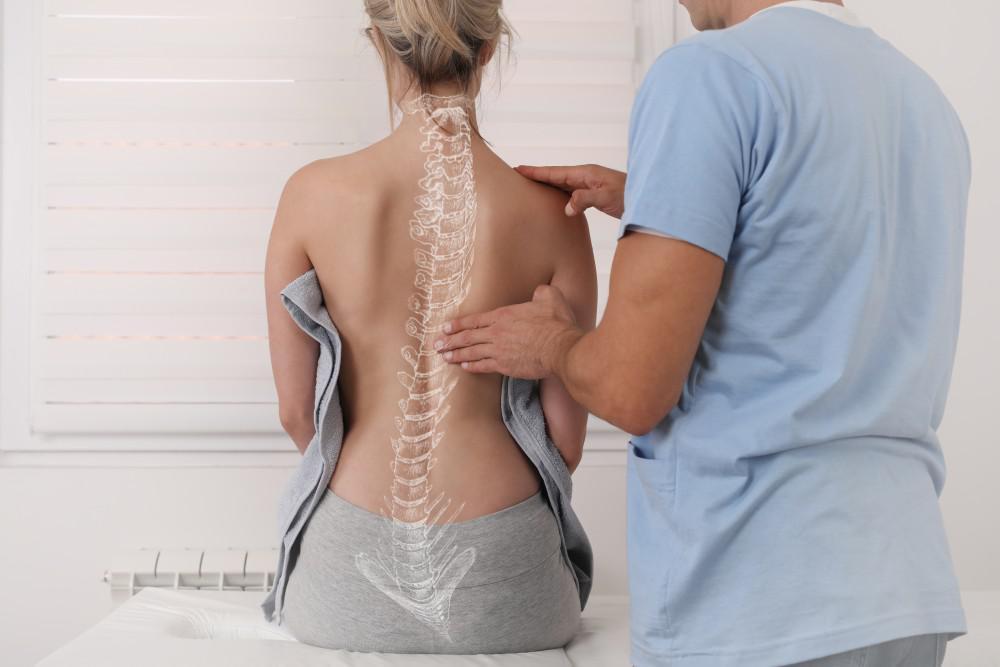
Scoliosis graphic over photo of a woman seated on treatment table while chiropractor assesses her back
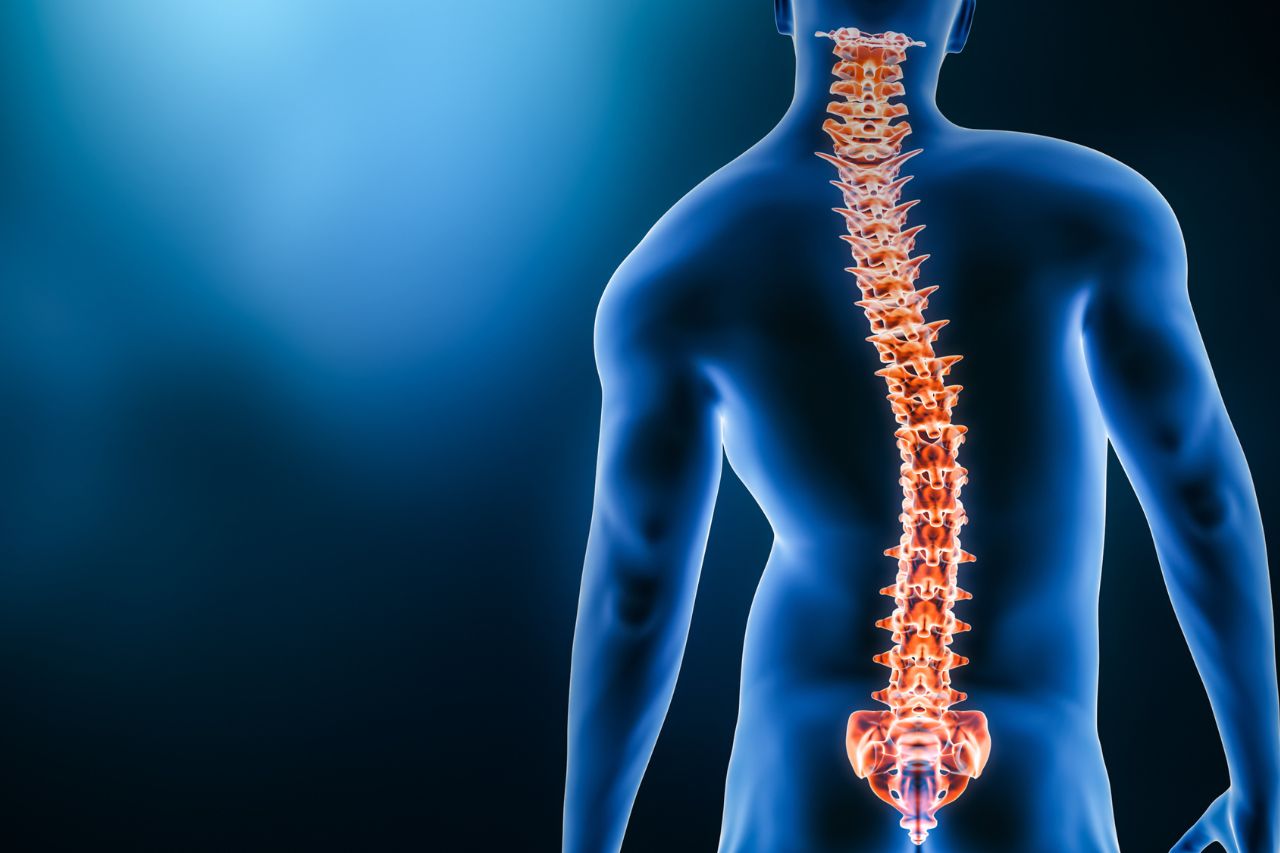
Scoliosis graphic

How We Treat Scoliosis in Windsor

The treatment approach for scoliosis is dependent on the severity of the curvature and the symptoms that are being experienced. Typically, scoliosis develops during childhood or adolescence, making it crucial to have regular check-ups with a chiropractor to detect any issues early on and begin a treatment plan promptly. It is also recommended to have a check-up after any traumatic event, such as a car accident, to ensure proper care during the recovery process.

In some cases, your chiropractor may suggest the use of a brace to help guide the spine of a child in the right direction. This is especially important as scoliosis often occurs in children who are still growing, and the brace can help prevent further curvature as they continue to develop. Regular check-ups are essential to monitor any changes in the spine, and additional recommendations such as exercises and stretches may be provided to maintain flexibility and alleviate specific symptoms. Generally, scoliosis is mild and can be managed with simple treatments, but if the curvature progresses significantly or shows signs of worsening, more advanced medical interventions may be necessary.

If you suffer from scoliosis in Windsor, book an appointment with our chiropractor so we can treat your pain and get you back to full heatlh!

About Community Chiropractic Center

Community Chiropractic Center in Windsor, ON is a multidisciplinary wellness clinic offering chiropractic care, spinal decompression, shockwave, acupuncture, and more to our community. We are located on Tecumseh Road East, just north of E.C. Row Expressway. Our clinical team is here at convenient hours to help relieve your pain and achieve your health goals. Request your appointment with us today!

Common Questions About Chiropractic Care

An adjustment is a precise, hands-on correction to a joint in your spine that isn’t moving the way it should. When a joint in your spine isn’t moving the way it should, it can affect how that area moves and how the surrounding muscles and nervous system respond.

The adjustment is designed to restore motion and improve the way that area functions. From there, your body does the work — our job is to help create better conditions for it to do that.

That’s a question we answer individually, not generally.

Before anyone is adjusted at our clinic, we review your health history, complete a physical examination, and, where it’s warranted, take X-rays. That process tells us whether chiropractic care is appropriate for you, and it shapes how we adjust. Techniques are chosen to suit the person in front of us.

If what you’re dealing with isn’t suited for chiropractic care, we’ll tell you and point you toward the right provider.

People across a wide range of ages and circumstances. Spinal and joint problems aren’t limited to one stage of life; desk work and device use, sports, physical labour, past injuries, and everyday stress can all place demands on the spine.

The techniques we use vary depending on who we’re working with. The principle behind them doesn’t change.

Most people find adjustments comfortable, although some temporary soreness or tenderness can happen afterward.

If you’ve had a recent injury such as whiplash, the area may already be sensitive or inflamed, so you may notice some discomfort during or after treatment. We adjust the technique and amount of force to what you can comfortably tolerate.

We look at more than just how you feel on a given day. Pain matters, but it can fluctuate, so we also look at things like your movement, function, examination findings, and the activities you’re able to get back to.

We collect baseline information at the start and reassess you at planned points during care. Depending on your case, that may include physical examination findings, surface EMG scans that look at patterns of muscle activity along the spine, and x-rays where clinically appropriate.

Then we review the findings with you side by side. That gives us more than one way to judge whether things are moving in the right direction.

It varies more than people expect. Some patients feel a change quickly; for others it can take weeks or longer.

What affects it: what you’re dealing with, how long it’s been there, its severity, your age and general health, how you respond to care, and how much additional strain your daily life continues to place on the area.

Rather than guess, we set a point to reassess. At that visit we look at the data together and decide where to go from there.

That’s your call, and we mean that.

Some people finish their initial plan and come back only when something flares up. Others choose ongoing care because the demands of their work or sports keep putting the same stresses on their spine, and they’d rather stay ahead of it.

We’ll tell you honestly what we think the data shows and what we’d recommend. Then you can decide what fits your life and your budget, including how often you visit.

If ongoing care makes sense for you, we’ll help you find a frequency that fits your goals, your life, and your budget.

Insurance coverage varies for chiropractic care. Over 80% of Ontario insurance plans will reimburse you for a portion of your fees. However, most have a limit on what they will pay and do not pay for full corrective care programs.

We also offer direct billing when plans allow it. In our office, we don’t base your care plan on your availability of insurance, but offer a payment option to best suit your budget.